
 Team Jagvimal

Introduction
Germany is one of the finest locations to study management among foreign students. For ambitious professionals who are looking to gain international exposure, realize great career progression and achieve high-ROI, an MBA in Germany will be a great choice. It has some of the best universities in the world, real-life learning strategies and efficient corporate support with international corporations. The MBA demand amongst Indian Students in Germany in the last couple of years has increased very fast owing to low tuition fee frameworks and post-graduation jobs.
Compared to other study destinations that are costly, the overall cost of the MBA in Germany is relatively low, particularly in the state-owned institutions. Also, graduates receive competitive remuneration and the average MBA wage in Germany is steadily growing in such industries as consulting, finance, and technology. This guide elaborates on eligibility, tuition fees, cost of living, career opportunities, and the best MBA in Germany colleges for the 20262027 academic round to students intending to pursue an MBA in Germany.
Why Choose an MBA in Germany in 2026 - 2027?
Germany is the largest economy in Europe and is the host of some of the best global brands as well as industrial giants. German students who take an MBA have access to practicum industry exposure in the form of internships, corporate projects and networking. German business schools are oriented towards applied learning, leadership development, and global strategy as compared to other Top MBA Universities Abroad. The country also has a stable economy, a high rate of employability and good post-study employment opportunities. Germany is becoming a more appealing destination to management aspirants due to the balance between affordable tuition and good career prospects.
Top MBA Programs in Germany
Several universities have ranked programs in the world, as well as those with industry-oriented programs. Germany has the best MBA programs, which are meant to blend academic performance and business experience. Other well-regarded schools in Europe are Mannheim Business School, ESMT Berlin, Frankfurt School of Finance & Management and WHU Otto Beisheim School of Management, which always make it to the top list. These MBA colleges in Germany are offering good alumni networks and good placements, leading to Indian students who seek to develop global careers in terms of management and other positions of leadership.
MBA in Germany Cost in 2026–2027
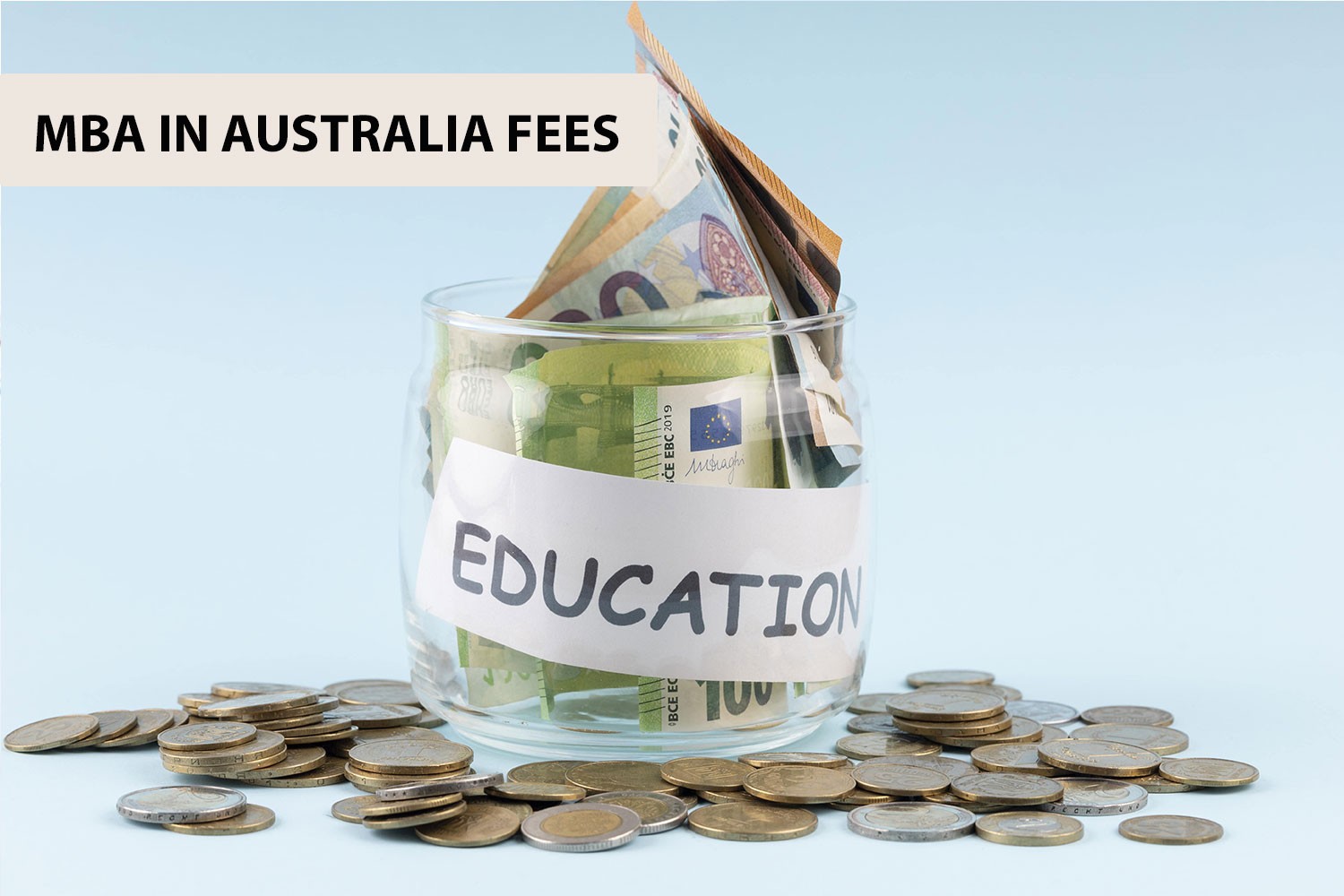
Before applying, it is important to know about the total financial investment. The overall cost of an MBA in Germany is dependent on the nature of the institution selected. There are state universities that can be offered at a very low price and those that are private business schools can be offered between 15,000 and 45,000 per year. In addition to the accommodation and living costs, the total cost of the entire program can be between 20,000 and 60,000. Germany is cheaper and more profitable compared to other Top MBA Universities Abroad. It is a financial benefit that many foreign students are willing to study management in Germany.
MBA in Germany Eligibility
German MBA colleges have Admission criteria, a set of academic and professional requirements, which must be met to be admitted. Applicants to get an MBA in Germany normally require a recognized undergraduate degree, one to three years of experience in the relevant field and standardized test scores like GMAT or GRE, depending on the university. Most programs also require English proficiency in IELTS or TOEFL. The application is further enhanced by a good Statement of Purpose and Letters of Recommendation. Upon admission, universities test the leadership potential, clarity and professional experience.
Living Expenses and Financial Planning
Tuition can be reasonable, but students should budget for living expenses. The prices are usually around one thousand and five hundred to one thousand and two hundred a month, which covers accommodation, food, transportation and medical insurance. During the calculation of the overall MBA in Germany cost, these costs have to be taken into consideration to have a realistic budget. Individuals intending to study in Germany in a higher institution must have a blocked account to demonstrate financial stability to obtain a visa. Calculating the finances allows one to have a hassle-free academic time without having to face financial strain midway through the program.
Salary After MBA Graduation in Germany
Among the greatest things about pursuing an MBA in Germany is the high potential of earning. An average MBA in Germany will earn between 55,000 and 100, 000 yearly according to the specialization and level of experience. The graduates usually find employment in multinational corporations like BMW, Siemens, SAP and bosch. As Germany has a developed industrial base and corporate presence in the global market, career development prospectsare still high among the MBA graduates in the fields of consulting, finance, operations and technology.
During and After MBA Work Opportunities in Germany
German students who pursue an MBA can work part-time during the semester up to 20 hours a week. Upon completion of their studies, they have the option of applying a 18 months post study work visa where they can seek jobs. A large number of graduates undertaking an MBA in Germany are able to get jobs within months because of the sound job market and the need to hire professionals in Germany. Germany has flexible post- study work policies compared to other international destinations and hence international students will find it easier to move to the long term employment and career stability.
Why MBA in Germany worth it for Indian students?
MBA in Germany among the Indian Students offers a blend of cost-effectiveness, the experience of the global environment and career opportunities in the long-run. The model of learning and good industry relations in Germany ensures that the students acquire practical experience. Its attraction is also enhanced by competitive wages and consistent economic development. Germany has a good support system, a multicultural environment and access to European markets, which are advantageous to the students who intend to get higher education there. Germany has a unique mix of moderate investment and high career returns, thus making it one of the top destinations across the management systems in the world.
What is the Application Process for 2026-2027?
German MBA colleges have a complex application process, which needs proper planning and preparation. Learners are supposed to start shortlisting universities and looking at the eligibility requirements. It is significant to prepare the standardized tests, write a powerful Statement of Purpose and collect Letters of Recommendation. Early application enhances admission and scholarship capabilities. The applicants to the best MBA schools in Germany should concentrate on higher education attained and professional experience. The application process should take at least eight or ten months before the intake to have enough time to process the visa and the finances.
Scholarship for MBA in Germany
Financial aid schemes help a lot in alleviating the economic cost of studying overseas. Funding facilities like scholarships are provided to international students like the one offered by the DAAD. Numerous higher learning institutions also provide merit-based scholarships based on academic merit and professional attainments. These opportunities make the effective cost of an MBA in Germany lower and enhance the total ROI. In comparison with other Universities of Top MBA Abroad, Germany has rather easy access to funding options and makes it much easier to attain the academic objectives of Indian students.
Conclusion
The MBA in Germany among Indian Students 2026-2027 is a great chance for those professionals who are determined to expand their international career opportunities. This nation is a mix of cheap-priced education and institutions with worldwide recognition and high employment rates. MBA in Germany cost is manageable and the MBA in Germany salary is competitive; therefore, students can record high returns on investment. In Germany, the universities offer industry-based learning, exposure and availability to multinational firms.
To the students intending to pursue an MBA in Germany, it is important to prepare early in life, do proper planning of finances and choose universities wisely. Colleges that offer MBA programs in Germany are providing programs that not only compete favorably with international institutions but are also of excellent quality. Germany offers good career opportunities, regardless of whether you want to be employed in consulting, finance, or technology. The 2026- 2027 entering year is a great prospect for both academic and career development to individuals who are willing to take the MBA in Germany.
FAQs
1. Will an MBA in Germany be a good choice in 2026-2027 for Indian students?
Yes, an MBA in Germany is a good option to study because of low tuition fee, good international exposure and good career prospects. Germany has high returns on investment in comparison with other countries because of a competitive salary package and post-study working options.
2. How much is the MBA in Germany amongst Indian students?
In Germany, the average price of an MBA is around 20,000 to 60,000 Euros, including tuition and living. In Germany, public universities are cheaper than the private business schools.
3. The average post-graduation MBA salary in Germany?
The mean salary of an MBA in Germany is between 55000 and 100000 per annum, depending on the specialization, reputation of the university, and previous work experience. The roles of consulting and technology usually provide more high-paying packages.
4. Will Indian students be able to work during their studies of MBA in Germany?
Yes, students studying MBA in Germany can work up to 20 hours in a week during semesters. They will be eligible to apply to 18 months employment seeking visa after graduation to seek a job in Germany.
5. What are the best MBA programs in Germany?
Mannheim Business School, ESMT Berlin, Frankfurt School of Finance and Management and WHU Otto Beisheim School of Management have some of the best MBA programs in Germany that are ranked and placed worldwide.
Categories:
 University of Worcester
 IELTS Preparation
 Jagvimal Updates
 MBBS abroad
 Study in Australia
Related Blog Article :



















.jpg-13815.jpg)



.jpg-84451.jpg)






























































































.jpg-36008.jpg)
.jpg-92124.jpg)
.jpg-97135.jpg)
.jpg-13644.jpg)
.jpg-88332.jpg)
.jpg-8170.jpg)
.jpg-41655.jpg)
.jpg-40139.jpg)
.jpg-36400.jpg)

.jpg-19130.jpg)
.jpg-55160.jpg)

.jpg-95270.jpg)

.jpg-68926.jpg)

.jpg-11639.jpg)

.jpg-90395.jpg)

.jpg-40845.jpg)




































































































.jpg-71688.jpg)




















































.png-88670.png)

.png-27959.png)




.jpg-45480.jpg)











































































































.jpg-34623.jpg)
.jpg-76961.jpg)
.jpg-38318.jpg)
.jpg-48487.jpg)
 Instagram
 LinkedIn
 Facebook
 Twitter
 WhatsaApp
 Youtube
Related Videos :
 2025-09-10
 Mbbs Abroad Transfer| Semey State Medical University