.jpg-13815.jpg)
Intakes for Australia in 2026: Universities & Admission Requirements
 Team Jagvimal

Ranked among the favorite study-abroad destinations, Australia is one of the top five countries where international students seek admission. Every year, a great number of students move to Australia for better study options.
It is seen that with the increasing number of applications from students wishing to study abroad, it is becoming a competition to get enrolled in the preferred courses. This is the main reason that students must know about Australia intakes for international students. Students should apply for intake according to the courses they wish to be admitted to. There are mainly 3 intakes for Australia: February, July and November. To get to know which intake is meant for you, we have covered it all for you in this blog.
Australia Intakes 2026
Australian universities accept 3 intakes, which are also known as Semester 1, Semester 2, and Semester 3. Semester 1 intake starts in February, Semester 2 starts in July, and Semester 3 starts in November.
Among all, Semester 1 Intake is the most preferred since students get a wide range of choices in terms of universities and courses. If students miss the first intake, the second-best option is Semester 2 Intake. In this intake, students get fewer options than the first one; however, it still offers more options than Semester 3 Intake.
Also, when considering the number of applications, the February Intake receives the highest number of applications, and this number gradually decreases in the other two intakes. Along with this, the number of scholarships and financial aid opportunities is also highest during the February Intake.
The February intake generally goes from February to early June. After this comes the July Intake, and generally this lasts from late July till September. And lastly, we have the Australia November intake, which lasts from November till January.
Here are the major intakes available in Australia:
| Intake Name | Availability of Programs | Intake Period | Number of Applications |
|---|---|---|---|
| February Intake (Semester 1) | All Programs | February or Early March – Late May or Early June | A large number of applications |
| July Intake (Semester 2) | Majority of Programs | Late July or Early August – November | The number of applications received is lower than in February |
| November Intake (Semester 3) | Minor and least popular, with selected programs | Late November – January | Very limited applications |
Why is February Intake So Preferred?
The Australian February intake is the most preferred out of all the other intakes, since it provides a large number of courses. In this Intake, students not only get a wide range of choice, but they also get better chances at scholarships and admission at the best colleges. February intake students also have all the opportunity to get better facilities when coming to accommodation. All this makes the February intake the most preferred one.
When to Apply for the Intakes?
There are deadlines for application for each intake. There is one primary intake that is the February Intake. And the others are the July and November intakes.
The deadlines for all these intakes are as follows:
1. February Intake: October-November
2. July Intake: April-May
3. November Intake: August-September
It is very crucial to submit the admission application before the deadline of the intakes. There shall be no delays since the Universities might not accept any application after the deadline has passed.
Also students who wish to pursue Master's in Australia must know that the process for their intake is very different from that of Under-graduation students. They are said to be Round 1, Round 2 and Round 3, however, some Universities also have scholarship and application for the course deadlines as well.
Australia is a popular choice for International students after the United Kingdom, due to its great Education Facilities. Almost 6 rounds are there for the Intake for the Master's students, however, these may vary from University to University. It is recommended to complete the application process before Round 4 which starts in Early February. Round system for the intakes starts in the particular months, which are as follows:
1. Round 1: Early August
2. Round 2: Early October
3. Round 3: Early November
4. Round 4: Early February
5. Round 5: Early April
6. Round 6: Mid June
It is commonly advised to apply correctly after checking the college/University website, so to not miss the opportunity.
Eligibility Criteria for Intakes in Australia:
Students must know about all the eligibility requirements before applying for any kind of course in Australian Universities. It is just like any other admission process, which includes,
1. Academic Qualification proof
2. Language proficiency tests proof (mainly IELTS, TOEFL)
3. valid passport and student visa
We shall discuss some of them in detail:
-
Academic Qualification:
Students who wish to study in Australia should have all the academic qualifications to prove previous studies. For example, when applying for a graduation degree, you need the proof for the senior secondary education, and in the case of post-graduation degree, you need proof of graduation. All this is needed because Universities need to make sure that the student can take the level of the program and to make sure that student comes from a recognized institution.
-
Language Proficiency tests:
International students need to clear the English language proficiency tests. Since Australian Universities have the instruction mode set to the English language. Tests like IELTS and TOEFL are meant for students whose native language is not English.
Universities and Their Deadlines:
1. The University of Sydney:
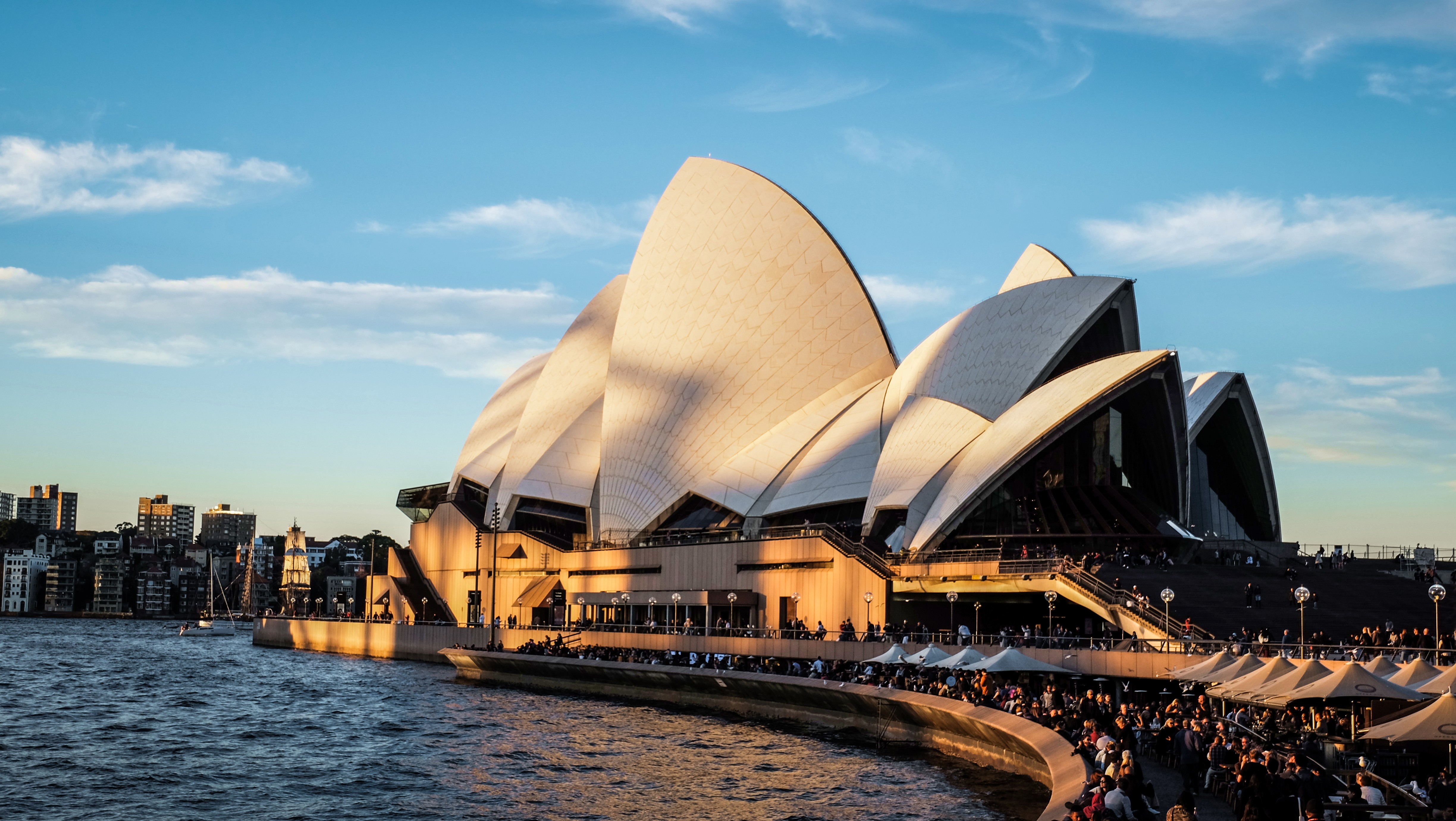
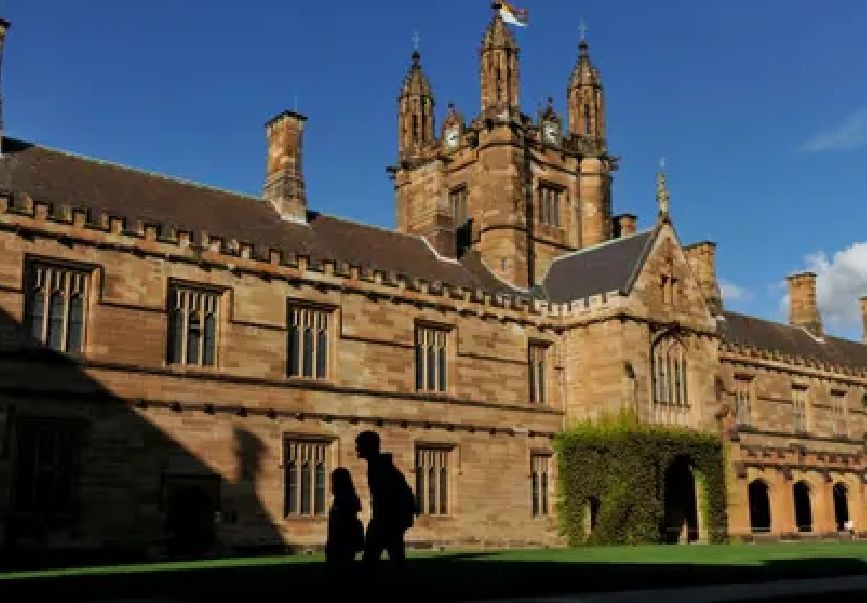
The University of Sydney, also known as Sydney University, is a public research university that was established in 1850. Located in Sydney, Australia, this university is one of the best six universities in Australia. Having received a Royal Charter by Queen Victoria in 1858, the university boasts a glorious history.
The university provides different undergraduate and postgraduate courses, mostly professional degrees, specialist degrees, and liberal studies degrees. The courses offered include arts, architecture, design, and many more.
Admission to the University of Sydney does not require a separate entrance exam; however, each course has its own eligibility and entry requirements.
Deadline for application: 31st January of the commencing year, since the semester starts in February.
2. Curtin University Australia:
Curtin University is a public university based in Bentley, Perth, Western Australia. Being the first technological university in Australia, it was established in 1966.
Curtin is among the top 1% of universities worldwide. Offering more than 200 undergraduate courses, the university has a wide range of subjects to choose from. International students at Curtin University are also eligible for various scholarship programs.
Deadline for international students: Monday, 23 January 2023, at 4:30 PM.
3. RMIT University:
Royal Melbourne Institute of Technology, also known as RMIT University, is a public research university in Melbourne, Australia. The university was founded in 1887 by Francis Ormond.
RMIT University's admissions process is highly competitive, with an average acceptance rate of 22%, making it even more important to submit the application before the deadline.
Deadline for Semester 1: Students need to apply by the end of December.
| University | Location | Intake | Approx. Deadline |
|---|---|---|---|
| University of Sydney | Sydney | February | 31 January |
| Curtin University | Perth | February/July | Varies |
| RMIT University | Melbourne | February/July | Late December–January |
Documents Requirement for the Intake:
When applying for Australian Universities, the documentation process is quite an essential part. The students should carry the following documents to avoid any kind of rejection for unnecessary reasons:
1. academic proofs (senior secondary certificate in case of graduation admission, and graduation certificate in case of post-graduation admission)
2. Language proficiency proof
3. Resume or CV
4. Financial resources proof (to cover for the stay in Australia)
5. Work experience record (if any)
6. Passport and student visa
7. passport-sized photographs
8. Statement of purpose
9. Letter of acceptance from the University
Frequently Asked Questions (FAQs)
Q 1: When do intakes generally occur in Australia?
Ans: Intakes vary depending on the institution and program. However, most universities and educational institutions have two intakes per year — Semester 1 typically begins in February, and Semester 2 begins in July.
Q 2: How long does it take to get a student visa for Australia?
Ans: The processing time for a student visa can take anywhere from a few days to several weeks, depending on individual circumstances and the number of applications being processed at the time. It is recommended to apply for a student visa as early as possible to avoid delays.
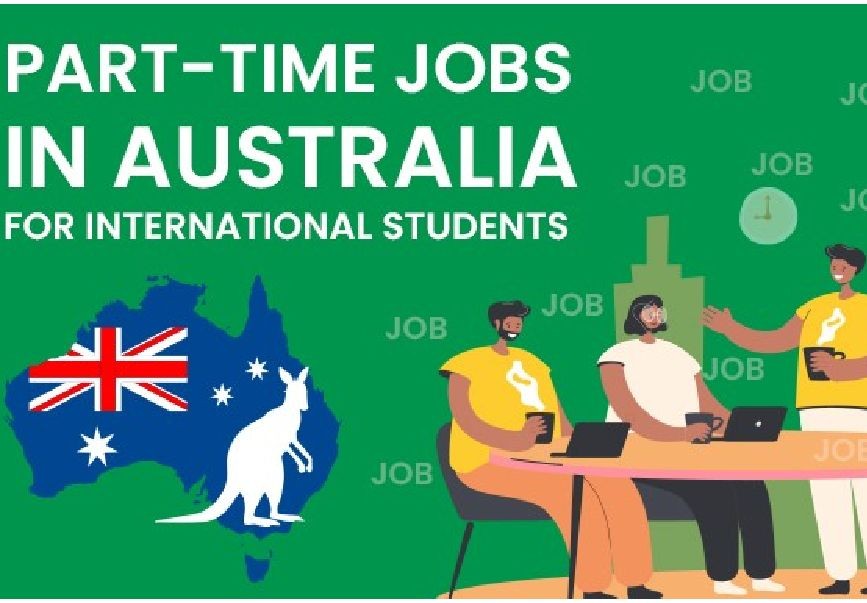
Q 3: Can international students work in Australia while studying?
Ans: Yes, international students can work up to 48 hours per fortnight (every two weeks) while studying and full-time during designated school breaks.
Q 4: What is accommodation like for international students in Australia?
Ans: There are many accommodation options available for international students in Australia, including on-campus accommodation, homestays, rental apartments, and shared houses. The cost and availability of accommodation vary depending on the location and type of accommodation chosen.
Q 5: How safe is Australia for international students?
Ans: Australia is generally considered a safe and welcoming country for international students. However, as with any country, it is important to take necessary safety precautions and remain aware of your surroundings. Educational institutions often provide safety tips and resources to help students stay safe while studying in Australia.
Categories:
 University of Worcester
 IELTS Preparation
 Jagvimal Updates
 MBBS abroad
 Study in Australia
Related Blog Article :






















.jpg-84451.jpg)
















































































.jpg-36008.jpg)
.jpg-92124.jpg)
.jpg-97135.jpg)
.jpg-13644.jpg)
.jpg-88332.jpg)
.jpg-8170.jpg)
.jpg-41655.jpg)
.jpg-40139.jpg)
.jpg-36400.jpg)

.jpg-19130.jpg)
.jpg-55160.jpg)

.jpg-95270.jpg)
.jpg-68926.jpg)
.jpg-11639.jpg)
.jpg-90395.jpg)

.jpg-40845.jpg)














































































.jpg-71688.jpg)












































.png-88670.png)

.png-27959.png)



.jpg-45480.jpg)





















































































.jpg-34623.jpg)
.jpg-76961.jpg)
.jpg-38318.jpg)
.jpg-48487.jpg)
 Instagram
 LinkedIn
 Facebook
 Twitter
 WhatsaApp
 Youtube
Related Videos :
 2025-09-10
 Mbbs Abroad Transfer| Semey State Medical University